
Tháng Bảy 26, 2026
Watch the Mona Lisa Rap, via Microsoft's AI: It's as Freaky as You Think
9
0
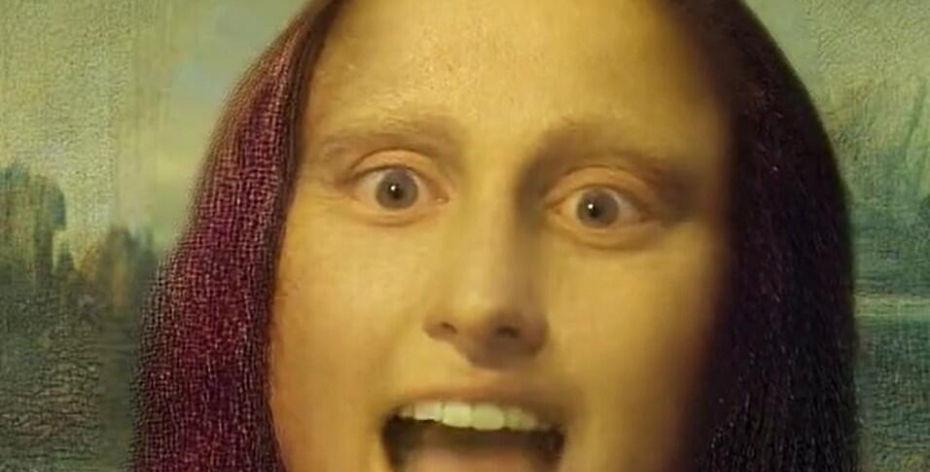
Is Microsoft the real Slim Shady, after all? We're not ready for this.
There are many enduring mysteries to the human condition: Why are we here? Who made the universe? And, most importantly, could the Mona Lisa rap?
Microsoft has announced a new artificial intelligence technology called VASA-1, which can turn a photo of someone's face and a short clip of their voice into a lifelike computer-powered video. And thanks to this breakthrough, the company was able to create a lifelike video of Leonardo da Vinci's famed painting the Mona Lisa performing actress Anne Hathaway's viral 2011 rap Paparazzi.
Microsoft's video is the latest example of the rapid advances that tech companies are making with AI tools, though a rapping Mona Lisa arguably straddles the line between quirky and creepy.
The software giant's new technology is far from the only use of AI to interpret and experience art, or the broader world of media. Microsoft partner startup OpenAI, for instance, has created similarly eye-catching videos through its text-to-video model, Sora, which can create ultra-realistic videos from text prompts. Google has a similar tool called Lumiere.
Those tools are in limited availability. As for AI tools you can use every day, be sure to check out CNET's hands-on reviews of the image generators in Adobe Firefly, OpenAI's Dall-E 3 and Google's ImageFX, along with reviews of chatbots including ChatGPT, Gemini and Claude.
From deepfake to reality
Microsoft's technology may seem like nothing new. Researchers have been showing off shockingly lifelike video manipulations for years, often calling them deepfakes. Some of the most impressive deepfakes have included the one from the Massachusetts Institute of Technology, which in 2019 used AI technology to make President Richard Nixon appear to give a speech he'd never actually delivered.
Experts have expressed increasing concern that deepfakes could be used to spread disinformation.
Those concerns haven't stopped app developers from providing effectively a basic version of what Microsoft has developed. Such apps have become so popular that cybersecurity researchers warn that photographs people upload may be used to help advance the technology without the owner or subject's consent.
Microsoft is hopeful these technologies could do more good than harm.
"While acknowledging the possibility of misuse, it's imperative to recognize the substantial positive potential of our technique," the company wrote in a blog post announcing VASA-1. "The benefits – such as enhancing educational equity, improving accessibility for individuals with communication challenges, offering companionship or therapeutic support to those in need, among many others – underscore the importance of our research and other related explorations."
Microsoft added that it is "dedicated to developing AI responsibly, with the goal of advancing human well-being."
Bài viết liên quan

Cách Tôi Sử Dụng Trí Tuệ Nhân Tạo làm Giáo Sư...

"ChatGPT giúp tóm tắt sách mà không sợ bị sao chép"...
Tháng Bảy 26, 2026
Thử Sử Dụng Trí Tuệ Nhân Tạo Làm Thiệp Cưới: Thành...
Tháng Bảy 26, 2026
Kết quả khảo sát AI của Pixel 9 Pro kỳ lạ....
Tháng Bảy 26, 2026
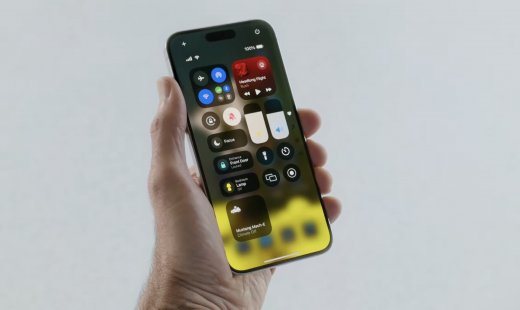
"Điện thoại iPhone của bạn có tương thích với iOS 18...
Tháng Bảy 26, 2026
Bình luận - đánh giá
Tin nổi bật

2023 tiếp tục là năm khó khăn của thị trường smartphone
Tháng Chín 04, 2024
Leitz Phone 1 đã được bán ra tại thị trường Nhật Bản
Tháng Chín 04, 2024

10 Awesome Things to Try on Your PS4 Right Now
Tháng Tám 30, 2024
Lượt xem nhiều nhất
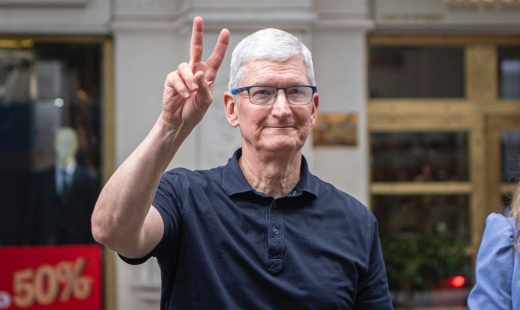
CEO Apple Tim Cook đến Việt Nam
Tháng Chín 05, 2024
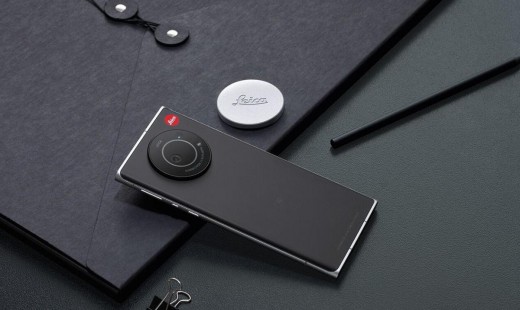
Leitz Phone 1 đã được bán ra tại thị trường Nhật Bản
Tháng Chín 04, 2024

11 of the Best Laptops Evaluated Based on Budget
Tháng Tám 30, 2024

Một số câu hỏi thường gặp về trí tuệ nhân tạo
Tháng Chín 04, 2024
Đăng ký
TVQuản trị viênQuản trị viên
Xin chào quý khách. Quý khách hãy để lại bình luận, chúng tôi sẽ phản hồi sớm