
Tháng Bảy 26, 2026
Researchers propose detecting deepfakes with surprising new tool: Mice
9
0
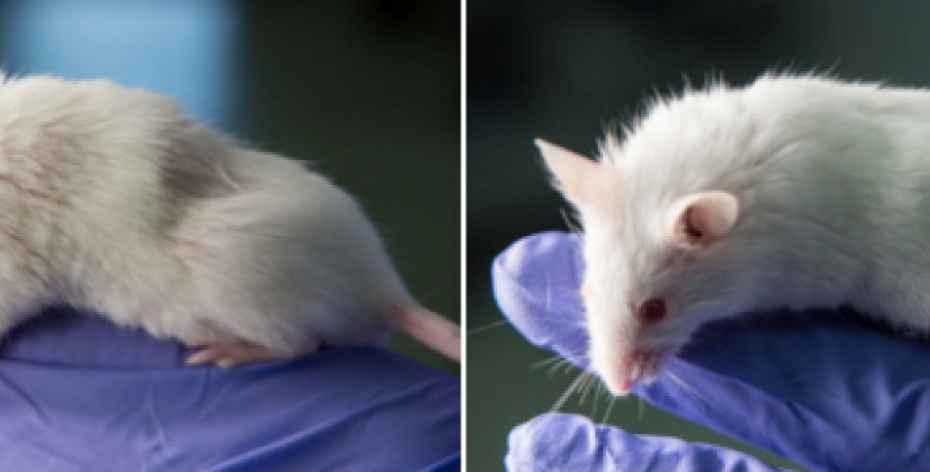
One of the scariest uses of artificial intelligence yet is being decoded by tiny mammals with tails.
Decades after Terminator's Skynet first taught us to fear the apocalyptic potential of artificial intelligence, deepfakes represent a less deadly but very real threat from AI. Some researchers are now using a surprising and definitively analog tool to detect AI-manipulated audio: mice.
While faking audio and video has been around in some form for decades, machine learning has recently made it significantly easier to produce counterfeit speech that actually crosses the uncanny valley into the realm of believability.
Deepfake technology shows no signs of slowing down, so researchers are looking for the best tools to detect the fakes, including people, different artificial intelligence and yes, rodents.
"We believe that mice are a promising model to study complex sound processing," reads a white paper from a trio of researchers led by Jonathan Saunders from the University of Oregon Institute of Neuroscience. "Studying the computational mechanisms by which the mammalian auditory system detects fake audio could inform next-generation, generalizable algorithms for spoof detection."
In other words, mice have an auditory system similar to humans, except they can't understand words they hear. This lack of understanding could actually be a bonus for detecting fake speech, however, because mice can't be swayed to overlook the telltale signs of a fake while they're focusing on decoding the actual meaning of the words.
For example, a deepfake audio file might include a subtle mistake, like the sound of "b" where a "g" should be. Let's say some faked speech of a celebrity portrays them ordering a "hamburber," for instance. Humans might be inclined to pass over this red flag for fakery because we're trained to extract the meaning from sentences we hear while adjusting for verbal flubs, accents and other inconsistencies.
The team has succeeded in training mice to distinguish between the sounds of certain consonant pairs, which could be useful in detecting fake speech. The research was presented in a session at the Black Hat conference in Las Vegas on Aug. 7.
More deepfakes
- Ron Swanson deepfaked as Full House characters will haunt you
- Deepfake AI could fabricate a video of you from a single profile pic
- Google, Facebook, Twitter put on notice about deepfakes in 2020 election
The mice correctly identified speech sounds at rates up to 80%. That's actually lower than the 90% rate at which the researchers found humans were able to identify deepfakes.
But the idea isn't to train an army of rodents to identify deepfakes. Instead, scientists hope to monitor the brain activity of mice as they discern between fakes and authentic speech to learn how the brain does it. Then the goal is to train new fake-detecting algorithms with the insights gleaned from the little animals.
That's presuming the rodents don't get wise and start creating their own despicable deepfakes first.
Originally published Aug. 12, 10:59 p.m. PT.
Update, Aug. 13 at 9:26 p.m.: Adds more information.
Bài viết liên quan

Cách Tôi Sử Dụng Trí Tuệ Nhân Tạo làm Giáo Sư...

"ChatGPT giúp tóm tắt sách mà không sợ bị sao chép"...
Tháng Bảy 26, 2026

Thử Sử Dụng Trí Tuệ Nhân Tạo Làm Thiệp Cưới: Thành...
Tháng Bảy 26, 2026
Kết quả khảo sát AI của Pixel 9 Pro kỳ lạ....
Tháng Bảy 26, 2026
"Điện thoại iPhone của bạn có tương thích với iOS 18...
Tháng Bảy 26, 2026
Bình luận - đánh giá
Tin nổi bật

2023 tiếp tục là năm khó khăn của thị trường smartphone
Tháng Chín 04, 2024

Leitz Phone 1 đã được bán ra tại thị trường Nhật Bản
Tháng Chín 04, 2024

10 Awesome Things to Try on Your PS4 Right Now
Tháng Tám 30, 2024
Lượt xem nhiều nhất

CEO Apple Tim Cook đến Việt Nam
Tháng Chín 05, 2024
Leitz Phone 1 đã được bán ra tại thị trường Nhật Bản
Tháng Chín 04, 2024

11 of the Best Laptops Evaluated Based on Budget
Tháng Tám 30, 2024

Một số câu hỏi thường gặp về trí tuệ nhân tạo
Tháng Chín 04, 2024
Đăng ký

TVQuản trị viênQuản trị viên
Xin chào quý khách. Quý khách hãy để lại bình luận, chúng tôi sẽ phản hồi sớm