
Tháng Bảy 26, 2026
Intel packs 8 million digital neurons onto its brain-like computer
10
0
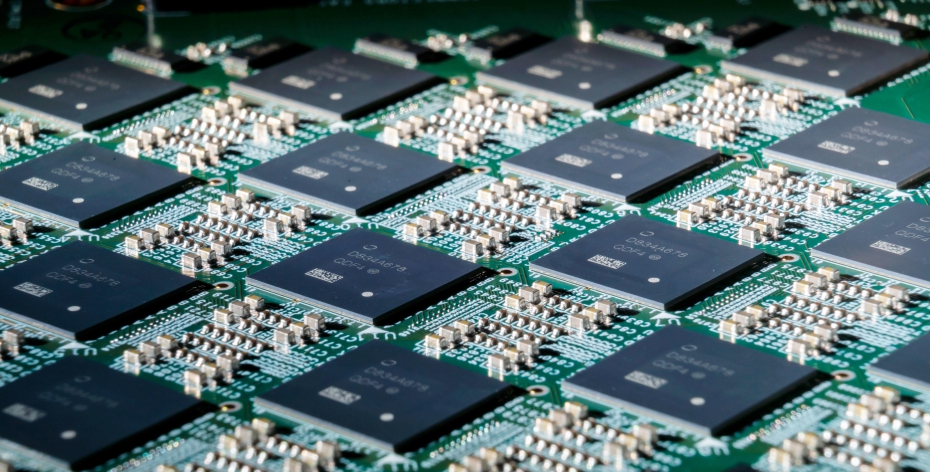
Using 64 Loihi processors, the company takes a notable step toward a digital brain.
The human brain is made of something like 86 billion interconnected brain cells, or neurons. Intel has now taken a notable step toward a digital equivalent, building a computer system with 8 million digital neurons.
The system, called Pohoiki Beach, is packed with 64 of Intel Labs' Loihi chips and will be available to researchers who can help the chipmaker mature the technology and move it toward commercialization. Pohoiki Beach's 8 million digital neurons are a significant step toward Intel's goal of reaching 100 million later this year.
"Pohoiki Beach will now be available to more than 60 ecosystem partners who will use this specialized system to solve complex, compute-intensive problems," said Intel Labs Director Rich Uhlig, who unveiled the system at the DARPA Electronics Resurgence Initiative (ERI) summit in Detroit.
The effort shows how the tech industry, faced with difficulties speeding up conventional processors, is increasingly inspired by our own organic computers. It takes food and oxygen to keep our gray matter humming, but brains only use about 20 watts of power -- that's about as much as a modestly powerful PC processor.
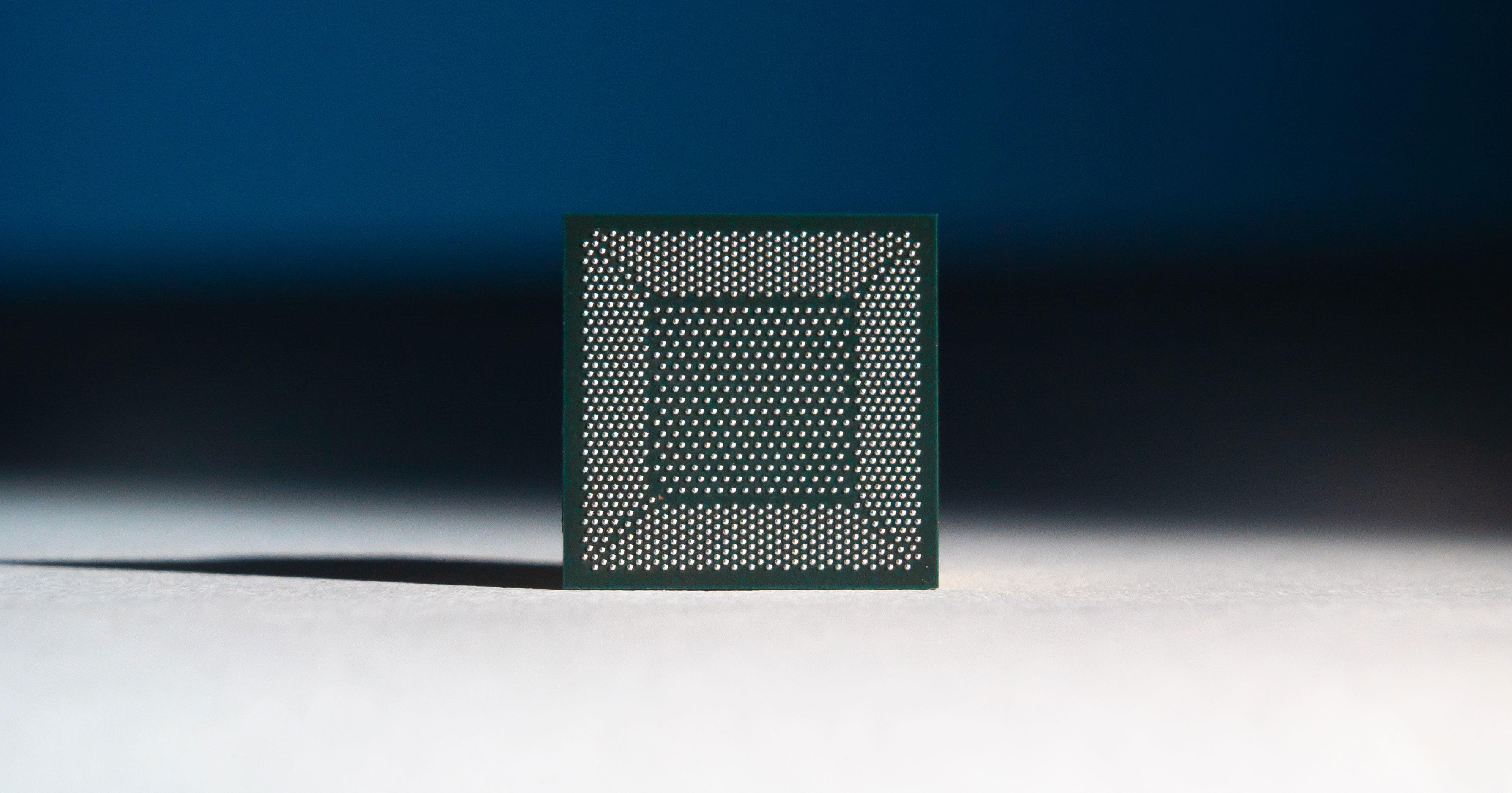
Intel's neuromorphic Loihi research processor
IntelReal products like Apple's iPhone chips already ship with circuitry to accelerate brain-inspired technology, but Intel's "neuromorphic" Loihi project is a significant step closer toward the way actual brains work -- it even includes digital equivalents of the axons that neurons use to transmit signals to their neighbors, the dendrites that receive those messages, and the synapses that connect the two.
Researchers already have used Loihi systems for tasks like simulating the tactile sensing of skin, controlling a prosthetic leg and playing foosball, Intel said.
Processor speed improvements are harder to come by these days, with electronics miniaturization growing steadily harder and increasing power consumption a constant concern. As a result, chipmakers are redirecting their attention away from general-purpose CPUs -- central processing units -- and toward special-purpose chips that are faster at a limited set of operations.
One major area for such specialization is graphics chips called GPUs. But chips that accelerate the neural network technology underpinning today's AI software are a hot new area.
Through ERI, the US Defense Advanced Research Projects Agency (DARPA) is helping promote chip advancements Intel's chip work along with various other projects for things like security, photonics, and machine learning.
Bài viết liên quan

Cách Tôi Sử Dụng Trí Tuệ Nhân Tạo làm Giáo Sư...

"ChatGPT giúp tóm tắt sách mà không sợ bị sao chép"...
Tháng Bảy 26, 2026

Thử Sử Dụng Trí Tuệ Nhân Tạo Làm Thiệp Cưới: Thành...
Tháng Bảy 26, 2026

Kết quả khảo sát AI của Pixel 9 Pro kỳ lạ....
Tháng Bảy 26, 2026

"Điện thoại iPhone của bạn có tương thích với iOS 18...
Tháng Bảy 26, 2026
Bình luận - đánh giá
Tin nổi bật

2023 tiếp tục là năm khó khăn của thị trường smartphone
Tháng Chín 04, 2024

Leitz Phone 1 đã được bán ra tại thị trường Nhật Bản
Tháng Chín 04, 2024

10 Awesome Things to Try on Your PS4 Right Now
Tháng Tám 30, 2024
Lượt xem nhiều nhất

CEO Apple Tim Cook đến Việt Nam
Tháng Chín 05, 2024
Leitz Phone 1 đã được bán ra tại thị trường Nhật Bản
Tháng Chín 04, 2024

11 of the Best Laptops Evaluated Based on Budget
Tháng Tám 30, 2024

Một số câu hỏi thường gặp về trí tuệ nhân tạo
Tháng Chín 04, 2024
Đăng ký

TVQuản trị viênQuản trị viên
Xin chào quý khách. Quý khách hãy để lại bình luận, chúng tôi sẽ phản hồi sớm