
Tháng Bảy 26, 2026
Google searches could illuminate the shadowy spread of the coronavirus
11
0
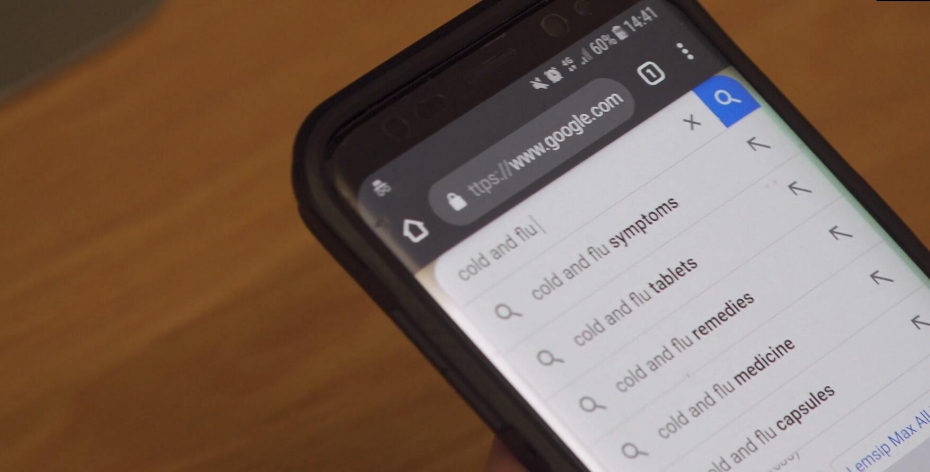
Researchers are digging into search data to help track and understand a pandemic.
Nội dung bài viết [Ẩn]
Thanks to limited testing and data, the pathways that the novel coronavirus uses to spread remain relatively invisible and challenging to track. Now researchers are mining Google search data for insights into the propagation of the coronavirus and the respiratory disease it causes, COVID-19, as well as its symptoms and other impacts.
One data scientist says he's found evidence of a new symptom of the disease hidden amid countless search queries, while another team is working on models that can reveal the true extent of community spread in a population.
Researchers from Microsoft, Harvard Medical School, Public Health England and University College London are hoping to use machine learning and Google search data to track the spread of COVID-19.
"I see this as a longer-term project that will run its course until, at least, the first, and hopefully the last, wave of the pandemic is over," the project's leader, Vasileios Lampos from University College London, told me.
Coronavirus in pictures: Scenes from around the world



Lampos says the project is ongoing -- a report on the work is being updated regularly on GitHub -- and more data is needed to validate the team's observations, but the hope is that machine learning models analyzing search data can predict the prevalence of COVID-19 in specific countries or other populations.
The basic concept is that when community spread of COVID-19 is occurring in a population, people with the infection begin to Google the symptoms they're seeing. Of course, people who don't have the virus may also do searches about symptoms after hearing about them through news reports, so the model Lampos and colleagues are developing aims to control for this and other complicating factors.
Previous research has shown that flu-related Google searches tracked actual rates of flu infection in the US. Lampos' project builds off a similar effort to estimate the presence of flulike illness.
While search data might be able to act as an imperfect but still helpful proxy for tracking the virus in lieu of ubiquitous testing, it can also help us learn more about the virus and how it affects us.
Keeping track of COVID-19
- Coronavirus could make us wary of hugs, shape our social habits for years
- Coronavirus app could trace your contacts without sacrificing your privacy
- Coronavirus: How to track the spread across the world as cases top 1 million
Economist and data scientist Seth Stephens-Davidowitz reported in The New York Times the results of his own ad hoc research, which seemed to reveal a new COVID-19 symptom popping up in Google searches among populations with high rates of confirmed cases.
"Searches for 'my eyes hurt' over the previous week were highest in New York, New Jersey, Connecticut, Louisiana and Michigan," he writes.
Indeed, the American Academy of Opthamology is now advising eye doctors that "reports suggest the virus can cause a mild follicular conjunctivitis."
Search data can also provide other valuable trend information before official statistics can be compiled for things like unemployment. Finance giant UBS has already been keeping tabs on Google search interest in unemployment on the state and national level.
Tracking the virus through search isn't yet a perfect science, but at this point public health leaders are hungry for any data they can get. Lampos says his team has been sending what they have to Public Health England on a weekly basis.
Bài viết liên quan

Cách Tôi Sử Dụng Trí Tuệ Nhân Tạo làm Giáo Sư...

"ChatGPT giúp tóm tắt sách mà không sợ bị sao chép"...
Tháng Bảy 26, 2026

Thử Sử Dụng Trí Tuệ Nhân Tạo Làm Thiệp Cưới: Thành...
Tháng Bảy 26, 2026
Kết quả khảo sát AI của Pixel 9 Pro kỳ lạ....
Tháng Bảy 26, 2026
"Điện thoại iPhone của bạn có tương thích với iOS 18...
Tháng Bảy 26, 2026
Bình luận - đánh giá
Tin nổi bật

2023 tiếp tục là năm khó khăn của thị trường smartphone
Tháng Chín 04, 2024

Leitz Phone 1 đã được bán ra tại thị trường Nhật Bản
Tháng Chín 04, 2024

10 Awesome Things to Try on Your PS4 Right Now
Tháng Tám 30, 2024
Lượt xem nhiều nhất

CEO Apple Tim Cook đến Việt Nam
Tháng Chín 05, 2024

Leitz Phone 1 đã được bán ra tại thị trường Nhật Bản
Tháng Chín 04, 2024

11 of the Best Laptops Evaluated Based on Budget
Tháng Tám 30, 2024

Một số câu hỏi thường gặp về trí tuệ nhân tạo
Tháng Chín 04, 2024
Đăng ký

TVQuản trị viênQuản trị viên
Xin chào quý khách. Quý khách hãy để lại bình luận, chúng tôi sẽ phản hồi sớm