
Tháng Bảy 26, 2026
Deepfake detection contest winner still guesses wrong a third of the time
10
0
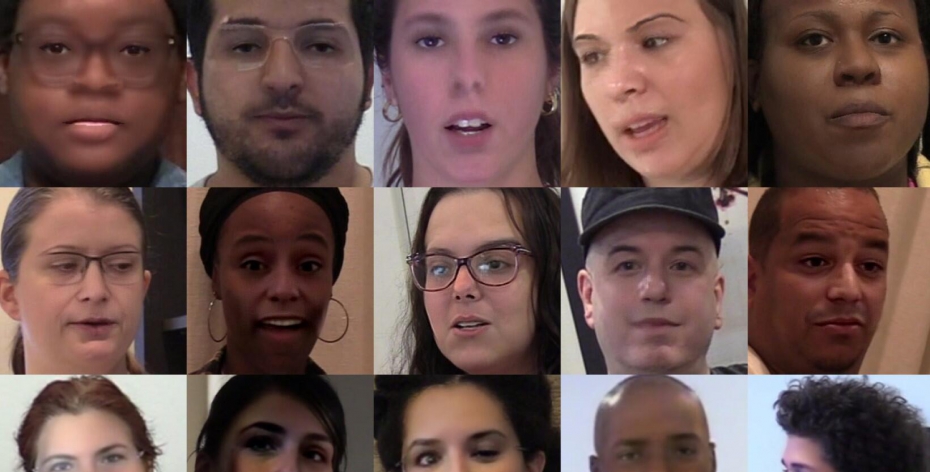
It's still hard to distinguish fake videos of people from the genuine article, a troubling finding given coming elections.
When looking at videos of people, it's hard to get a computer to distinguish a genuine video from a computer-generated fraud called a deepfake, a competition run by Facebook shows. For 2,114 participants who submitted 35,000 deepfake-detecting computer models, the average success rate was 70% and the best was 83%.
But those scores were using a public data set of 100,000 videos Facebook created for the competition, called the Deepfake Detection Challenge (DFDC). Using a separate collection of 100,000 previously unseen videos, plus some extra techniques to make them harder to judge, the best score was 65%.
This story is part of Elections 2020, CNET's coverage of the voting in November and its aftermath.
AI technology has automated lots of tasks that previously were hard for computers, like transcribing human voices, screening out spam and adding effects that apply van Gogh styling to your selfie. One downside, though, is that the same technology can be used to create deepfakes, doing things like mapping one person's voice style and features to a video of another person. That could be a problem if an embarrassing gaffe by a political candidate goes viral on social media before it's debunked.
Misinformation and disinformation
- Deepfakes' threat to 2020 US election isn't what you'd think
- Ahead of election 2020: Tips on finding information you can trust
- Inside a pro-Trump YouTube disinformation network that spans Vietnam to Bosnia
- Political ads put Twitter, Facebook and Google in a bind. Here's why
Microsoft, Amazon, Facebook and universities including MIT, Oxford, Cornwall and the University of California at Berkeley launched the competition in September 2019. Organizers paid 3,500 actors to generate source video that was then modified in various ways to generate the 100,000 public videos on which contestants could train their artificial intelligence models. The actors were selected to represent a variety of genders, skin tones, ethnicities, ages and other characteristics, Facebook said.
The Deepfake Detection Challenge results are significant given concerns that fake videos could mislead people in the runup to the US elections in November. Even if not many deepfakes are convincing and most are caught, the very existence of deepfakes could cause voters to doubt the credibility of videos they encounter and disrupt the election, experts fear.
Facebook thinks other cues could help deal with deepfakes.
"As the research community looks to build upon the results of the challenge, we should all think more broadly and consider solutions that go beyond analyzing images and videos," Facebook researchers said in a blog post. "Considering, provenance, and other signals may be the way to improve deepfake detection models."
And research into deepfake detection isn't over. Competition organizers plan to release the raw video source material -- all 38 days' worth -- for new work in the area.
"This will help AI researchers develop new generation and detection methods to advance the state of the art in this field," Facebook said.
Bài viết liên quan

Cách Tôi Sử Dụng Trí Tuệ Nhân Tạo làm Giáo Sư...

"ChatGPT giúp tóm tắt sách mà không sợ bị sao chép"...
Tháng Bảy 26, 2026

Thử Sử Dụng Trí Tuệ Nhân Tạo Làm Thiệp Cưới: Thành...
Tháng Bảy 26, 2026
Kết quả khảo sát AI của Pixel 9 Pro kỳ lạ....
Tháng Bảy 26, 2026
"Điện thoại iPhone của bạn có tương thích với iOS 18...
Tháng Bảy 26, 2026
Bình luận - đánh giá
Tin nổi bật

2023 tiếp tục là năm khó khăn của thị trường smartphone
Tháng Chín 04, 2024

Leitz Phone 1 đã được bán ra tại thị trường Nhật Bản
Tháng Chín 04, 2024

10 Awesome Things to Try on Your PS4 Right Now
Tháng Tám 30, 2024
Lượt xem nhiều nhất
CEO Apple Tim Cook đến Việt Nam
Tháng Chín 05, 2024
Leitz Phone 1 đã được bán ra tại thị trường Nhật Bản
Tháng Chín 04, 2024

11 of the Best Laptops Evaluated Based on Budget
Tháng Tám 30, 2024
Một số câu hỏi thường gặp về trí tuệ nhân tạo
Tháng Chín 04, 2024
Đăng ký

TVQuản trị viênQuản trị viên
Xin chào quý khách. Quý khách hãy để lại bình luận, chúng tôi sẽ phản hồi sớm